Rinha de galos
Explore the history, cultural significance, and legal debates surrounding the practice of Rinha de Galos.
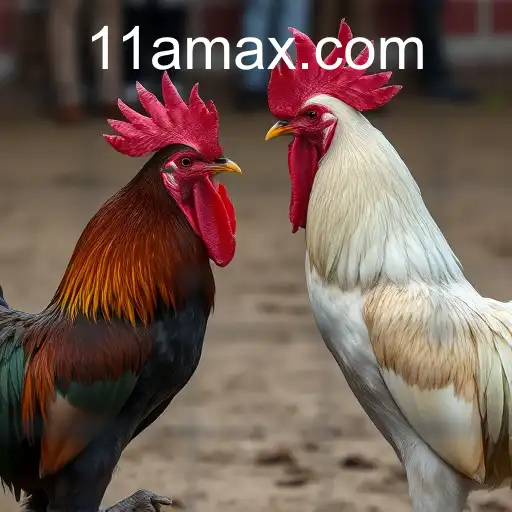
The Controversial World of Rinha de Galos
Rinha de Galos, commonly known as cockfighting, is a practice steeped in cultural tradition yet fraught with modern ethical and legal challenges. This centuries-old pastime involves closely observing the confrontation between two roosters, often bred specifically for fighting. Initially celebrated in many societies across the globe, the practice has increasingly become the subject of heated debates over animal rights and legality.
The Roots of Rinha de Galos
The origins of Rinha de Galos can be traced back thousands of years, with historical records indicating the presence of cockfights in ancient civilizations such as the Indus Valley, Greece, and Rome. In these societies, the birds were not solely pitted against each other for entertainment. They also symbolized valor, combat skills, and were even involved in religious and cultural rituals.
As time progressed, Rinha de Galos spread to many parts of the world, adapting to local customs and traditions. In Latin America, particularly Brazil, it gained significant traction, becoming an integral part of local culture. It was common to see families and communities gathering around to witness the bouts, which were often accompanied by social betting.
The Cultural Significance
For many cultures, Rinha de Galos is more than a mere spectacle. It represents a deeply rooted tradition whereby breeders take immense pride in selecting and caring for their fighting roosters. These birds are often considered family heirlooms, handed down through generations with the hope that they will continue to bring victory and honor to their breeders.
In regions where the practice is still prevalent, such events also serve as communal gatherings, promoting socialization and community bonding. Many enthusiasts argue that it is a way to preserve their heritage and cultural identity in the face of globalization and external influences.
The Legal Landscape
Despite its cultural significance, Rinha de Galos faces stiff opposition from animal rights activists and legal entities. Different regions have, over time, enacted varying laws concerning the practice, reflecting a growing recognition of animal welfare concerns. In countries like the United States and the United Kingdom, Rinha de Galos has been banned outright, with harsh penalties imposed on those found participating in or organizing such events.
In Brazil, where the tradition remains strongest, the legal stance on cockfighting remains complex. While officially banned under the federal animal cruelty law, enforcement is inconsistent, leading to clandestine gatherings often drawing attendees from far and wide. These events frequently operate under a shroud of secrecy to avoid legal repercussions, making regulation challenging for authorities.bet03
Arguments for and Against
The debate over Rinha de Galos is polarizing. Proponents of the practice argue that it should be viewed through a cultural lens, with respect for traditional practices. They argue that prohibitions not only threaten cultural heritage but also infringe upon personal freedom and the right to engage in cultural practices.
Conversely, opponents highlight the cruelty and potential for severe harm inflicted on the animals involved. They argue that tradition is not an adequate justification for perpetuating a practice they deem inhumane. For these groups, the welfare of the roosters should take precedence over cultural preservation.89 P
Moreover, opponents often cite the potential for organized crime and illegal gambling rings to form around the Rinha de Galos events, arguing that they create environments ripe for illegal activities beyond animal cruelty.54888
Moving Forward
The conversation surrounding Rinha de Galos is complex, necessitating dialogue between cultural advocates, legal entities, animal rights organizations, and governments. Moving forward, the challenge lies in finding a balance between respecting cultural traditions and upholding contemporary ethical standards concerning animal welfare.76j
In some regions, attempts to regulate rather than outright ban the practice have been proposed. Solutions such as increased transparency, ethical guidelines on breeding practices, and restricting betting may offer a middle ground. However, these too are met with skepticism and resistance from those on either side of the debate.
Rinha de Galos remains a contentious issue, emblematic of the broader challenge faced by societies globally—how to harmonize longstanding cultural traditions with evolving moral and ethical parameters. It is a testament to the ongoing dialogue between heritage preservation and modern humanitarian standards.11a